

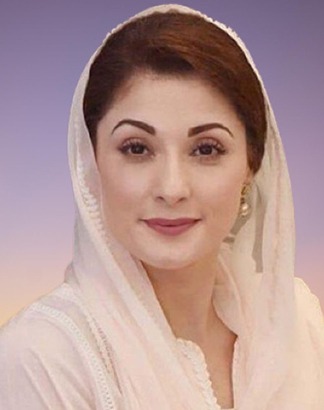
Maryam Nawaz Sharif Chief Minister of Punjab
Introduction
Maryam Nawaz Sharif is the first woman in history to serve as the Chief Minister of Punjab, assuming office on 26 February 2024. A senior leader of the Pakistan Muslim League (N), she has long been recognized for her active political engagement, public outreach, and commitment to democratic values. Her rise to this position marks a significant milestone for women leadership in Pakistan.
Early Political Journey
Before becoming Chief Minister, Maryam Nawaz played a key role in party organization and strategic communication. She led public campaigns, advocated for policy reforms, and worked closely with grassroots communities, gaining a deep understanding of public needs and administrative challenges.
Governance Vision
As Chief Minister, Maryam Nawaz oversees Pakistan’s largest province home to immense potential, diverse populations, and complex developmental priorities. Her governance vision focuses on modernization, youth empowerment, women rights, health sector uplift, digitalization of public services, and transparent administration.
Minority Inclusion & Empowerment A defining feature of her early tenure is her strong emphasis on minority rights and religious harmony. Her administration launched transformative programs such as:
Chief Minister Minority Card providing direct financial support to thousands of minority families.
Massive budget expansion for minority affairs—from Rs. 60 million to Rs. 3.66 billion.
Landmark legislation including the Sikh Marriage Act 2024 and implementation of the Hindu Marriage Act.
Restoration and development of temples, churches, and gurdwaras across Punjab.
Official celebration and recognition of minority festivals.
These initiatives highlight her commitment to an inclusive and equal Punjab.
Leadership Approach
Maryam Nawaz Sharifs leadership blends political legacy with modern governance practices. She prioritizes technology-driven reforms, citizen engagement, and welfare-focused development. Her policies aim to strengthen public trust, improve service delivery, and create long-term opportunities for the people of Punjab.